Why American Players Are Ditching US Live Dealer Tables for Southeast Asian Platforms
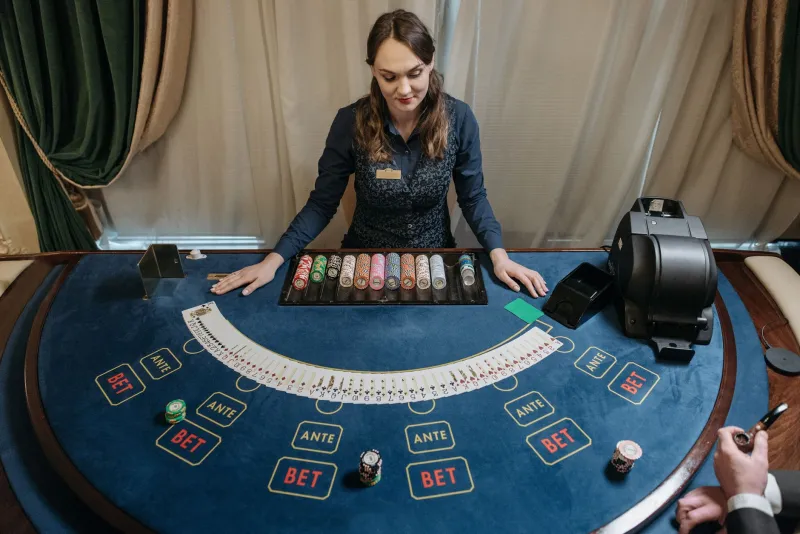
Picture this: you sit down at a live blackjack table on a US-licensed platform. The stream buffers for a couple of seconds. The dealer runs through the hand efficiently but mechanically. There's a chat window, technically, but nobody's really using it. The whole thing feels like watching a procedural crime drama — competent, predictable, and a little cold.
Now open up a Southeast Asian live dealer room. The stream is crisp. The dealer greets you by username, cracks a light joke, and keeps the table energy up between hands. The pace feels right — not rushed, not sluggish. You're playing a game, sure, but it actually feels like an experience.
That contrast is not accidental, and it's not a fluke. It's the result of years of platform investment, regulatory freedom, and a fundamentally different philosophy about what live dealer gaming is supposed to be.
The Regulatory Gap Nobody Talks About
Here's the thing about US online casino regulation: it's a patchwork. State-by-state licensing means that operators in New Jersey, Michigan, Pennsylvania, and a handful of other legal markets are working within frameworks that prioritize compliance over innovation. That's not a knock on regulators — it's just the reality of building policy in a country where online gambling is still politically complicated.
Southeast Asian platforms, particularly those operating out of the Philippines through PAGCOR licensing, or through offshore frameworks that serve international players, have had more room to move. They can test new features faster. They can experiment with dealer interaction models, studio layouts, and streaming formats without waiting years for regulatory sign-off. The result is a live dealer ecosystem that has been iterating aggressively for over a decade.
When you're playing on a platform like Evolution's Asian-optimized tables or local operators running out of Manila studios, you're benefiting from years of rapid-cycle product development that US-licensed platforms are only beginning to attempt.
Streaming Infrastructure: The Unsexy Advantage
Broadband infrastructure in parts of Southeast Asia — particularly the Philippines, Malaysia, and Singapore — has improved dramatically over the past several years. More importantly, the major platforms serving this region have invested heavily in purpose-built studio environments with dedicated high-speed connections, multiple camera angles, and redundant failover systems.
What that means for you as a player is simple: fewer dropped streams, lower latency, and crisper video quality than you'd typically get from a US-based operator running live tables as a secondary product feature.
The technical specifications matter more than people realize. A 200-millisecond difference in stream delay might sound trivial, but at a fast-paced baccarat table, it changes the entire rhythm of play. Southeast Asian platforms have optimized specifically for this, partly because their core audience has been demanding it for years, and partly because live dealer is not a side feature on these platforms — it's the main event.
The Dealer Experience Is a Whole Different Animal
This is where the comparison gets really interesting. US live dealer tables are staffed by professional dealers, full stop. They deal cards correctly, follow procedure, and keep the game moving. That's the job description, and they execute it.
Southeast Asian live dealer studios — particularly the higher-tier ones — have developed something closer to a performance culture. Dealers are trained not just in game mechanics but in audience engagement. They're taught to read the chat, respond to regulars, maintain energy across long sessions, and create the kind of table atmosphere that keeps players coming back.
Some platforms have taken this even further with branded dealer personalities — dealers who build actual followings among regular players. It sounds a little like Twitch, and that's not entirely a coincidence. The crossover between streaming culture and live casino gaming is much more developed in Southeast Asia than it is in the US market, and the platforms have leaned into it hard.
For American players used to the more transactional experience of a US live table, this shift can feel genuinely surprising. You're not just playing a game — you're sitting at a table with a personality.
Game Variety and Table Customization
Another area where the gap shows up clearly is in the sheer variety of live dealer offerings. US platforms typically carry the standard suite: blackjack, roulette, baccarat, maybe a few game show-style variants. Southeast Asian platforms go considerably deeper.
Baccarat alone might be offered in a dozen variations — Speed Baccarat, No Commission Baccarat, Dragon Tiger, and regional variants that haven't made it to Western platforms at all. Live Sic Bo tables are common. There are dedicated Andar Bahar rooms, live Pai Gow variants, and localized game formats that reflect the actual gambling culture of the region rather than a one-size-fits-all Western template.
For American players who have gotten bored with the limited live dealer menu on US platforms, this variety is a genuine draw. You can spend an entire session exploring table formats you've never encountered before, which keeps the experience fresh in a way that grinding the same three blackjack variants simply doesn't.
What the Switch Actually Feels Like
Americans who make the jump to Southeast Asian live dealer platforms tend to describe the experience in similar terms: it feels more alive. The production quality is higher. The dealers are more engaging. The pace feels calibrated to actual human enjoyment rather than operational efficiency.
There's also a social dimension that US platforms haven't quite cracked. Chat interaction is more active on Southeast Asian tables, partly because the player base is more accustomed to treating live dealer as an interactive experience rather than a passive one. When you're at a table where the dealer is responding to the chat and other players are engaged, it changes the energy of the whole session.
That said, it's worth acknowledging that the legal landscape for American players accessing offshore platforms is something you'll want to research carefully before diving in. The experience may be superior — but understanding the regulatory context of where you're playing is always part of being a smart player.
The Takeaway
The live dealer gap between Southeast Asian platforms and US operators isn't about one big difference — it's the accumulation of a hundred smaller ones. Better streaming infrastructure. More dealer training investment. Faster feature iteration. Deeper game catalogs. A platform culture that treats live dealer as the centerpiece rather than an add-on.
US platforms will catch up eventually. But right now, if you want to understand what live dealer gaming can actually feel like at its best, the East is where the action is. And more American players are figuring that out every day.